- November 2, 2026
- By Nic Taylor
- Blog
By Nic Taylor, Master Electrician, ZAP Industries (formerly ZAP Electric), Dickinson, ND
Out here, winter doesn’t knock politely. One week you’re hauling bales in a T-shirt, and the next it’s twenty below with a wind that finds every crack in the barn. That’s when the farm’s electrical system goes to work: stock tank heaters keeping water open, heat tape keeping lines from freezing, and block heaters making sure the tractor and the pickup actually start in the morning.
All of those loads switch on at the same time, run for months, and live outside in snow, mud, and manure. That’s a hard life for cords, outlets, and breakers. A little prep in the fall saves a lot of trouble in January.
Add up what's plugged in all winter
Most winter problems start with too much on one circuit. A standard 15-amp, 120-volt circuit can handle about 1,800 watts, and for loads that run for hours at a time you want to stay under about 1,440 watts. Now look at what typically lands on the yard light pole or the barn outlet:
- Stock tank heaters: commonly 250 to 1,500 watts each
- Engine block heaters: often 400 to 1,500 watts per vehicle or tractor
- Heat tape: usually a few watts per foot, so a long run adds up fast
- Heated waterers, bucket heaters, and heat lamps for calving season
Two tank heaters and a block heater on the same outlet can trip a breaker overnight, and you won’t find out until the water is frozen solid. Make a quick list of what you plug in and where. If one outlet is carrying most of it, that’s the spot to fix.
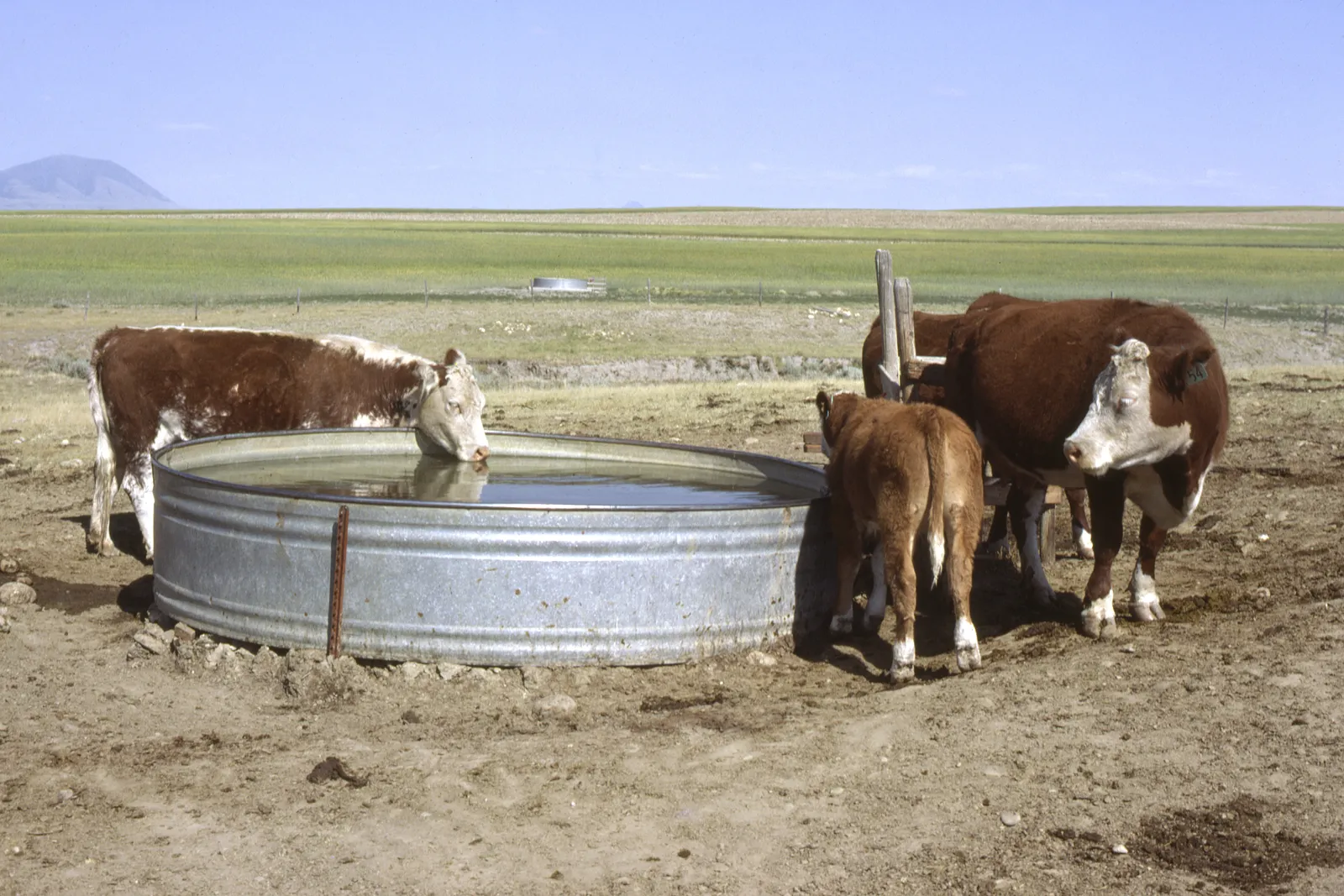
Stock tank heaters: keep the water open and the cattle safe
Cattle are good at telling you when something is wrong with a tank heater. If they’re nosing the water and backing off, they may be feeling stray voltage. Even a small tingle can keep livestock from drinking, and that’s a real problem in cold weather.
Before you drop heaters in for the season:
- Inspect every heater and cord. Look for cracked housings, chewed or flattened cords, and burned plug blades. Replace anything damaged rather than taping it up.
- Use a GFCI-protected outlet. A ground-fault outlet or breaker shuts power off fast if current leaks into the water. Outdoor outlets are supposed to be GFCI protected anyway, and with a tank of water and wet animals, this is the most important safety step on the list.
- Protect the cord. Run it through conduit or a guard where cattle can reach it, and keep it out of traffic lanes where loaders and hooves can crush it.
- Get the outlet close to the tank. Long strings of extension cords across a yard are where most failures happen. A permanent weatherproof outlet near the tank is safer and more reliable.
Heat tape: check it before it's needed
Heat tape on water lines, hydrants, and well pits is easy to forget until the day a line freezes. Each fall:
- Walk the runs and look for cracked jackets, exposed wire, or spots where the tape overlaps itself (unless it’s self-regulating tape made to allow that).
- Make sure it’s plugged into a GFCI outlet and the plug is out of standing water.
- Replace old tape that’s brittle or discolored. It’s cheap compared to a burst line or a fire in a pump house.
Block heaters: a dedicated spot to plug in
A row of pickups, a tractor, and a skid steer all plugged into one barn outlet through a power strip is a common sight, and a common reason for melted plugs. Block heaters pull a steady load for hours, so they need outlets that can take it.
The cleanest fix is a few weatherproof outlets on their own circuits where the equipment actually parks. Add a timer so heaters only run in the hours before you need them. That cuts your power bill and the wear on everything. If cords are getting warm to the touch, or the plug end looks brown or melted, stop using that outlet until it’s checked.
Look over the yard pole, the barn panel, and backup power
Before the snow sticks, take a walk:
- Yard pole and meter base: loose covers, damaged conduit, or wires pulled tight from frost heave.
- Barn and shop panels: dust, cobwebs, mouse nests, and rust inside a panel are fire hazards. Breakers that trip often are telling you something.
- Backup power: if a blizzard knocks out power for two days, can you keep water open and the house warm? A standby generator with a proper transfer switch keeps the essentials running without backfeeding the line, which protects the power company’s crews too.
How ZAP can help this winter
We wire farms and ranches across Western North Dakota, and winter prep is some of the most useful work we do. We can add GFCI-protected weatherproof outlets at stock tanks, put block heater outlets on their own circuits, clean up overloaded barn panels, and track down the stray voltage that keeps cattle off the water. See our farm and ranch electrical services, or if something’s already acting up, book an electrical repair visit. Heating the shop this winter? Browse our garage and shop heaters too.
Get ahead of the cold
ZAP Industries is a licensed North Dakota electrical contractor (License #000047000) based in Dickinson. We take calls 24/7 and offer weekend emergency service across Western North Dakota.
Call (701) 513-9012 or email ntaylor@zapelectric.llc to get your farm or ranch ready before the first deep freeze.
Photos: “Stock Tanks04” by USDA NRCS Montana and “Cattle using a NRCS designed windbreak as part of a grazing plan” by USDA NRCS South Dakota, via Wikimedia Commons. Both are U.S. government works in the public domain.
