- November 9, 2026
- By Nic Taylor
- Blog
By Nic Taylor, Master Electrician, ZAP Industries (formerly ZAP Electric), Dickinson, ND
Smoke and carbon monoxide alarms are the cheapest life-saving equipment in your house, and they’re also the easiest to forget. They sit on the ceiling for years, chirp at 3 a.m. when a battery dies, and most of us never think about them again until something goes wrong.
Here in Western North Dakota, the stakes are higher than most places. Furnaces run hard from October to April, wood stoves and space heaters come out, and vehicles warm up in attached garages every morning. All of that means more chances for a fire or a carbon monoxide leak, and fewer open windows to let anything out.
What North Dakota code says
North Dakota’s State Building Code is based on the International Residential Code (IRC), and the 2024 edition took effect on January 1, 2026. Cities and counties that enforce building codes use the state code, and the electrical side follows the 2023 National Electrical Code. In plain terms, here’s what the code calls for in new homes:
Smoke alarms go:
- Inside every bedroom.
- Outside each sleeping area, in the hallway near the bedrooms.
- On every level of the house, including the basement.
Carbon monoxide alarms go:
- In any home with a fuel-burning appliance (gas or propane furnace, water heater, range, fireplace, or wood stove) or an attached garage.
- Outside each sleeping area, close enough to wake you with the bedroom doors shut.
- On every level of the house.
In new construction, alarms have to be hardwired with a battery backup, and they have to be interconnected. That means when one goes off, they all go off. If a fire starts in the basement at night, you want the alarm outside your bedroom sounding too, not just the one two floors down.
A combination smoke and CO alarm can cover both jobs in one spot, as long as it’s listed for both and installed where both rules apply.
What about older homes?
If your house was built before these rules, you generally aren’t required to tear into the walls just to bring alarms up to date. But when you do work that needs a permit, like finishing a basement, adding a bedroom, or putting on an addition, the code usually requires you to bring smoke and CO alarms up to current standards at the same time. (We covered how permits work in our post on electrical permits and inspections in North Dakota.)
Even when nothing forces the update, it’s worth doing. An older home with one battery alarm in the hallway is a lot less protected than a home with interconnected alarms in every bedroom.
How often to replace them
This is the part almost everyone misses. Alarms don’t last forever, even if the test button still works.
- Smoke alarms: replace them every 10 years. The sensors wear out and get less sensitive over time.
- CO alarms: most last about 7 to 10 years, depending on the model. Many will start an “end of life” chirp when they’re done.
- Batteries: if your alarms use replaceable batteries, change them at least once a year.
- Testing: press the test button once a month.
Not sure how old yours are? Take one down and look at the back. There’s a manufacture date printed on it. If it’s more than 10 years old, or you can’t find a date at all, it’s time.
Why CO alarms matter so much here
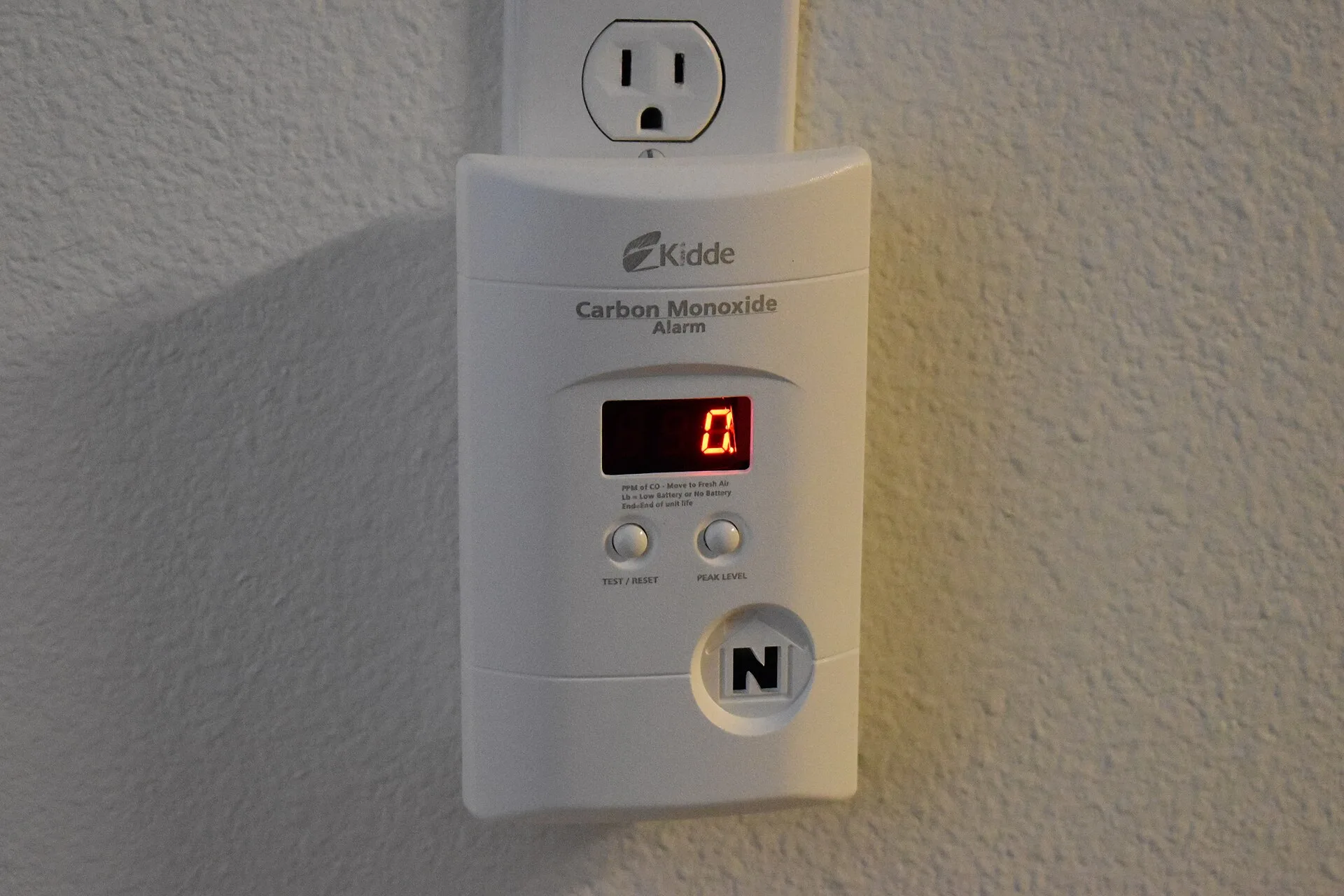
Carbon monoxide has no smell and no color. Early symptoms feel a lot like the flu: headache, dizziness, nausea, feeling tired. When the whole family feels sick at once in the middle of winter, and everyone feels better after leaving the house, that’s a warning sign.
The usual sources in North Dakota homes are cracked furnace heat exchangers, blocked flues and vents (snow drifts can do it), vehicles left running in an attached garage, and portable generators run too close to the house during an outage. If you rely on backup power, a properly installed standby generator placed outside with a transfer switch is far safer than a portable unit near a window or in the garage.
If a CO alarm goes off, get everyone outside into fresh air and call 911. Don’t go back in to look for the problem.
How ZAP can help
We install and replace smoke and CO alarms all the time, from swapping out a few expired units to wiring a full interconnected system in a basement finish or new build. We’ll check your existing alarms, tell you what’s expired, and make sure everything meets current code. Learn more about our residential electrical services, or book an electrical repair visit if your alarms are chirping, false alarming, or not talking to each other.
Get your alarms checked before the deep cold
ZAP Industries is a licensed North Dakota electrical contractor (License #000047000) based in Dickinson. We take calls 24/7 and offer weekend emergency service across Western North Dakota.
Call (701) 513-9012 or email ntaylor@zapelectric.llc to schedule a smoke and CO alarm check for your home.
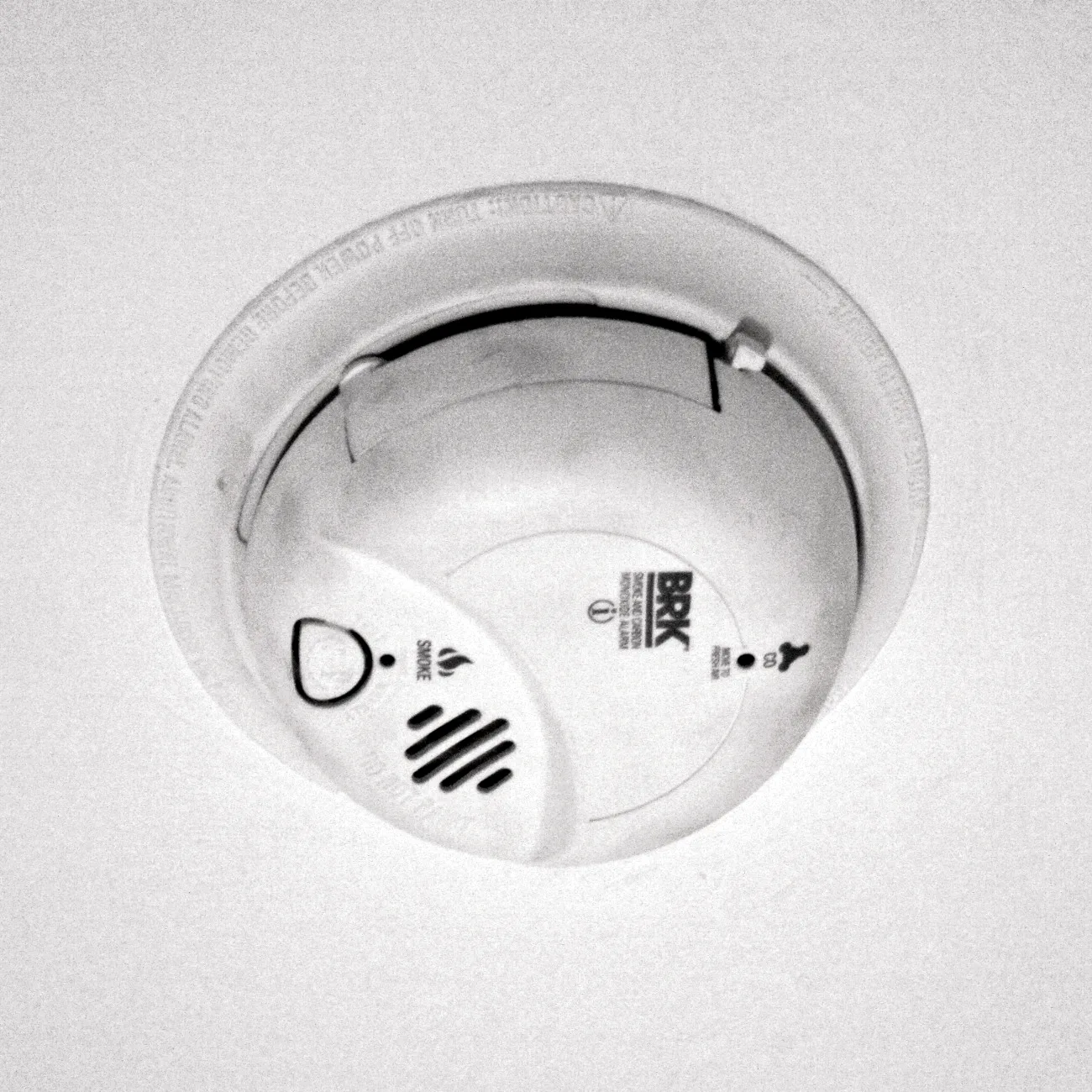
Photos: “Smoke Detector” by HomeSpot HQ, CC BY 2.0 (color-corrected), and “Carbon monoxide detector 1 2018-03-01” by FASTILY, CC BY-SA 4.0, both via Wikimedia Commons.

