- October 26, 2026
- By Nic Taylor
- Blog
By Nic Taylor, Master Electrician, ZAP Industries (formerly ZAP Electric), Dickinson, ND
You finally have the new shop framed, the basement is ready to finish, or you want a hot tub on the deck before winter. Somewhere in the planning, someone asks, “Do you need a permit for that?” In North Dakota the answer is yes more often than people think. The process is simple once you know how it works.
Who checks electrical work in North Dakota
Electrical work in our state is overseen by the North Dakota State Electrical Board. The Board licenses electricians and sends state electrical inspectors out to check jobs. Across most of western North Dakota, the state inspector is the one who looks at your project. A few cities run their own electrical inspections, so it is always worth checking with your city if you live inside town limits.
In North Dakota, the “permit” is called an electrical wiring certificate. When a licensed contractor does the work, the master electrician supervising the job files it. It tells the Board and the power company what is being done and who is responsible.
When a wiring certificate is required
Under the Board’s rules, a certificate and inspection are required when:
- The cost of the new work, repair, or addition is more than $500 in reasonable labor and material
- A new service is installed, like a new meter and main panel for a shop or house
- An existing service is altered or repaired, such as a panel upgrade or switching an overhead service to underground
- A building is moved and reconnected to power
- A mobile home service or feeder is installed
- Wiring is about to be covered up by insulation, drywall, or concrete
That $500 line comes up fast. A garage heater on its own 240-volt circuit, a Level 2 EV charger, a standby generator with a transfer switch, or a basement finish will almost always cross it. Swapping a light fixture usually will not.
Can I do my own wiring?
Sometimes. North Dakota lets property owners wire their own place, but only under a few conditions:
- You must own and live in the home or farmstead you are wiring. Rentals, churches, schools, and commercial buildings must be wired by a licensed electrical contractor.
- You have to do the work yourself. You cannot hire a handy friend who is not licensed to do it for you.
- You must notify the State Electrical Board before you start and review your plans or drawings with the local inspector.
- The work still has to be inspected and pass code, and inspection fees apply.
Inspectors cover a lot of ground out here and often book weeks ahead, and on a new or altered service the power company will not hook up until the certificate is issued.
What the inspection process looks like
On most jobs there are two checkpoints:
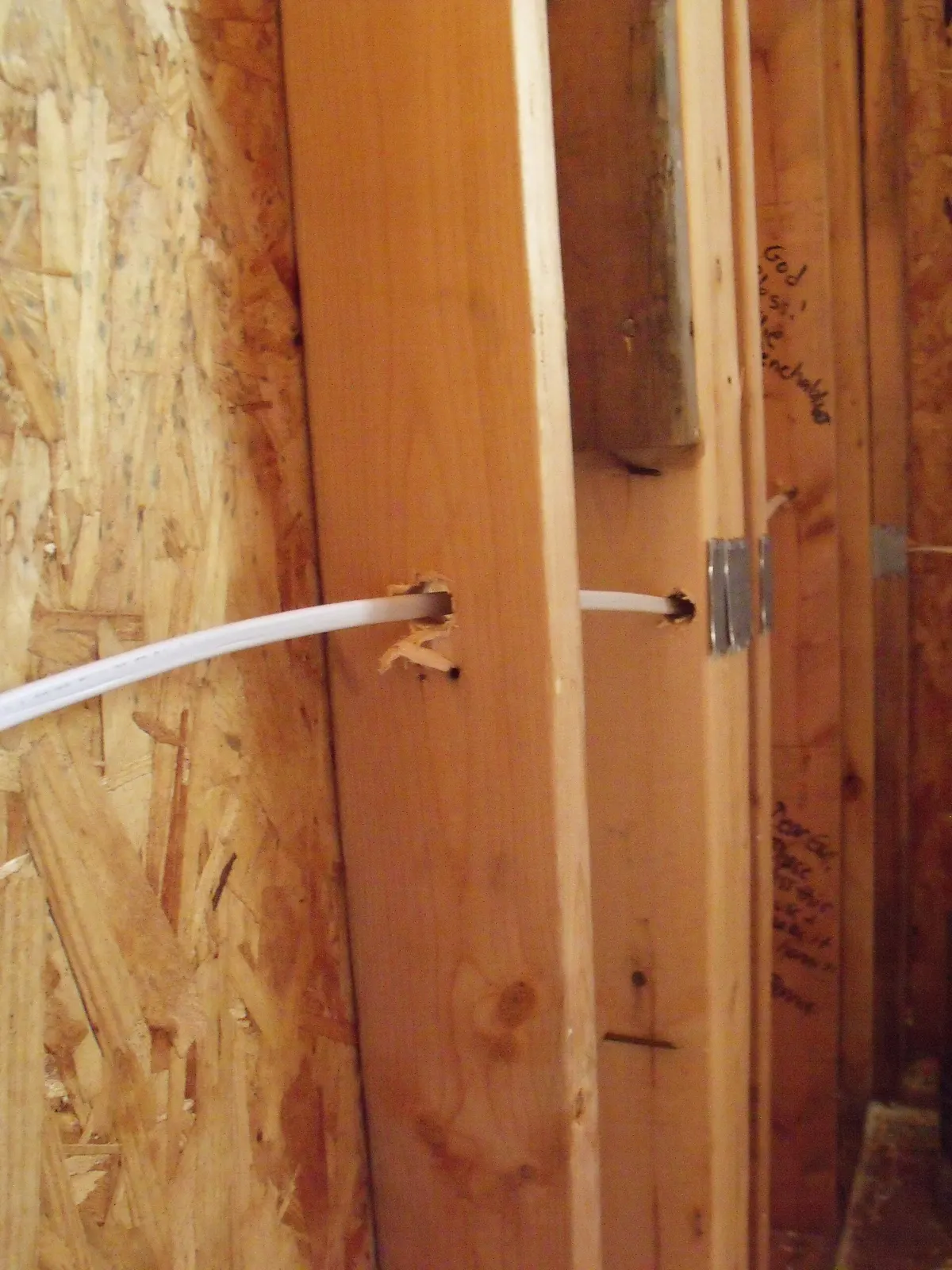
Rough-in inspection. Wires are pulled, boxes are mounted, and nail plates are on, but the walls are still open. The inspector checks wire and breaker sizes, box fill, cable support, and protection where wires pass through studs. Miss something here and fixing it later means tearing out drywall.
Final inspection. Devices, fixtures, and breakers are installed and everything is labeled. The inspector checks grounding and bonding, GFCI and AFCI protection where code calls for it, smoke alarm locations, and that the work matches what was filed.
If something does not meet code, it gets corrected and re-inspected. Small items can often be fixed on the spot.
Why permits are worth it
- Safety. A second set of trained eyes catches problems before they turn into a fire, a shock, or a dead circuit in January.
- Insurance. If there is ever a loss, an insurer may ask whether the electrical work was done and inspected properly.
- Selling your home. Buyers, appraisers, and home inspectors notice unpermitted additions, shops, and panel swaps.
- Getting power at all. For new and altered services, no certificate means no hookup from the utility.
How ZAP handles it for you
When you hire us, the permit side is part of the job. Our master electrician files the wiring certificate before work starts and sends a copy to your power company. We schedule and meet the inspector for rough-in and final inspections, take care of any corrections, and leave a copy of the certificate in or on your panel when we are done.
Whether it is a residential upgrade, a new shop or farm building, or a commercial build-out, we will tell you up front what needs a certificate and build it into your quote. If you already started a project yourself and are not sure where it stands, we can take a look on an electrical repair visit and help you get it inspected the right way.
Planning a project? Talk to us first
ZAP Industries is a licensed North Dakota electrical contractor (License #000047000) based in Dickinson. We take calls 24/7 and offer weekend emergency service across Western North Dakota, from Williston down to Dickinson and along I-94 to Mandan and Bismarck.
Call (701) 513-9012 or email ntaylor@zapelectric.llc and we will tell you exactly what your project needs to pass inspection the first time.
Photo: “Electrical wiring rough-in” by Amy Bonilla, via Wikimedia Commons, CC BY-SA 2.0.
